

A delivery inventory ledger is a Metrc record that documents every cannabis product in a delivery vehicle, the driver carrying it, and the vehicle itself. Since April 1, 2023, California retailers must create this ledger in the state's track-and-trace system (CCTT/Metrc) before a delivery employee leaves the licensed premises, under California Code of Regulations Section 15049.3. As of the writing of this article (July 2026), the requirement remains in effect under the DCC's current regulations.

This guide breaks down what the delivery ledger is, what it must include, how it works across a delivery trip, the penalties for getting it wrong, and how to confirm your ledgers are actually reaching Metrc.
In This Post
- What Is a California Cannabis Delivery Ledger?
- What the Delivery Ledger Must Include
- How the Ledger Works During a Delivery Trip
- Unsold Inventory, Dynamic Delivery, and the $10,000 Vehicle Limit
- Penalties for Missing or Inaccurate Ledgers
- How to Verify Your Ledgers Are Reaching Metrc
- Common Questions
What Is a California Cannabis Delivery Ledger?
The delivery inventory ledger is the state's answer to a simple question: what cannabis is in that vehicle right now? Under Section 15049.3, a delivery trip begins the moment a delivery employee leaves the licensed retail premises, and the ledger must exist in the track-and-trace system before that moment, whether the vehicle is carrying pre-sold orders, unsold inventory for dynamic delivery, or both.
One useful simplification from the DCC: if a driver is only delivering sales that have already been recorded in Metrc, the Sales Delivery Manifest (Sales Receipt) suffices as the ledger for those pre-sold items. The full ledger workflow matters most when unsold inventory rides along.
The ledger requirement took effect in two phases. Emergency regulations required ledgers (physical or electronic) starting January 1, 2023, and as of April 1, 2023, ledgers must be created in Metrc itself.
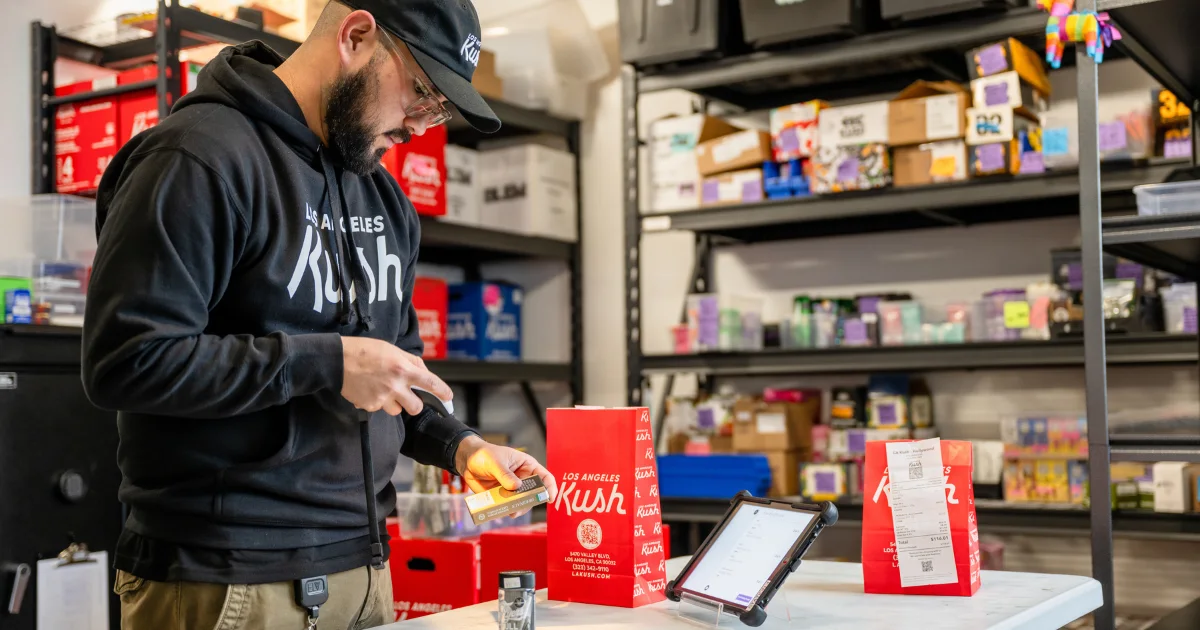
What the Delivery Ledger Must Include
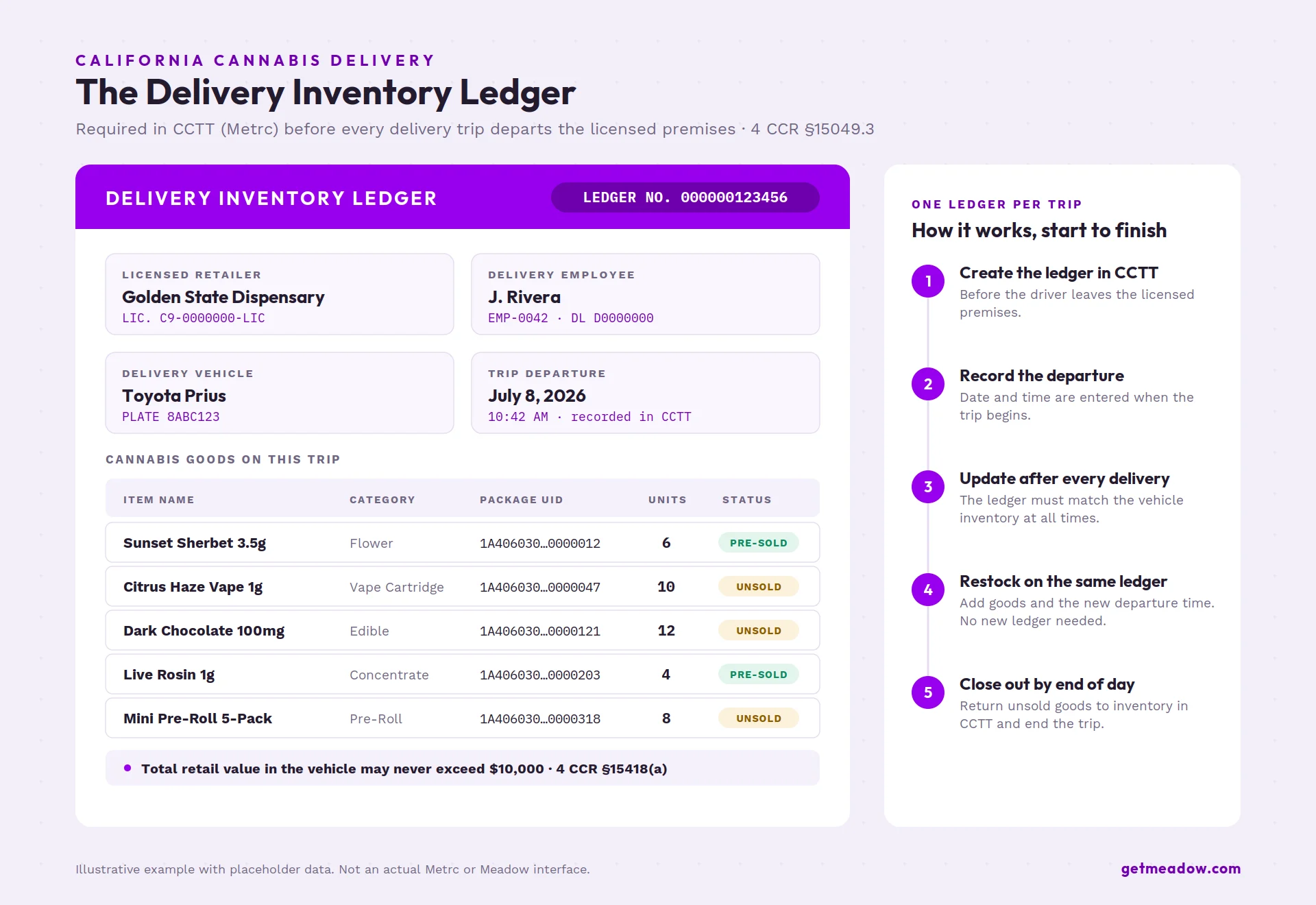
Before the driver leaves, Section 15049.3(b) requires the ledger to record:
- The delivery inventory ledger number generated by the track-and-trace system for that specific trip
- The retailer's name and license number
- The delivery employee's name, employee ID, and driver's license number
- The delivery vehicle's make, model, and license plate number
- The item name and category of every cannabis good on the trip, the UID(s) assigned to those goods, and the number of units per UID
- The UID(s) of any goods tied to orders the retailer received and processed before the driver left
When the trip begins, the date and time of departure must be entered as well.
💡 How Meadow handles this: Meadow creates the delivery ledger and reports it to Metrc automatically. Enter the driver and vehicle information, and every required field is captured and submitted without anyone logging into Metrc.
See how Meadow's delivery software keeps trips compliant →
How the Ledger Works During a Delivery Trip
The ledger is not a set-it-and-forget-it record. Per DCC guidance, it must reflect the actual inventory in the vehicle at all times, which means it gets updated after every completed delivery.
A few operational rules worth building into your SOPs:
- The ledger can live in or out of CCTT during the trip. Drivers may maintain it in Metrc, electronically, or in hard copy. Either way, all information recorded in the ledger must be entered into CCTT by the end of the calendar day.
- Restocks don't require a new ledger. A driver can return to the licensed premises for additional goods and continue the same trip; the retailer records the added items and the new departure time under the existing ledger number.
- Trips must be formally ended. A trip ends in CCTT when the driver returns after completing all deliveries. If a driver carries no unsold goods and finishes the day's deliveries without returning, the end date and time are still recorded per the regulation.
- The ledger is inspectable on demand. Drivers must provide the ledger to the Department or any law enforcement officer upon request.
A best practice the DCC itself suggests: when drivers restock or return unsold goods, have staff verify the physical count in the vehicle against the ledger. An accurate ledger is the entire point of the rule, and a quick count is cheaper than a violation.
Unsold Inventory, Dynamic Delivery, and the $10,000 Vehicle Limit
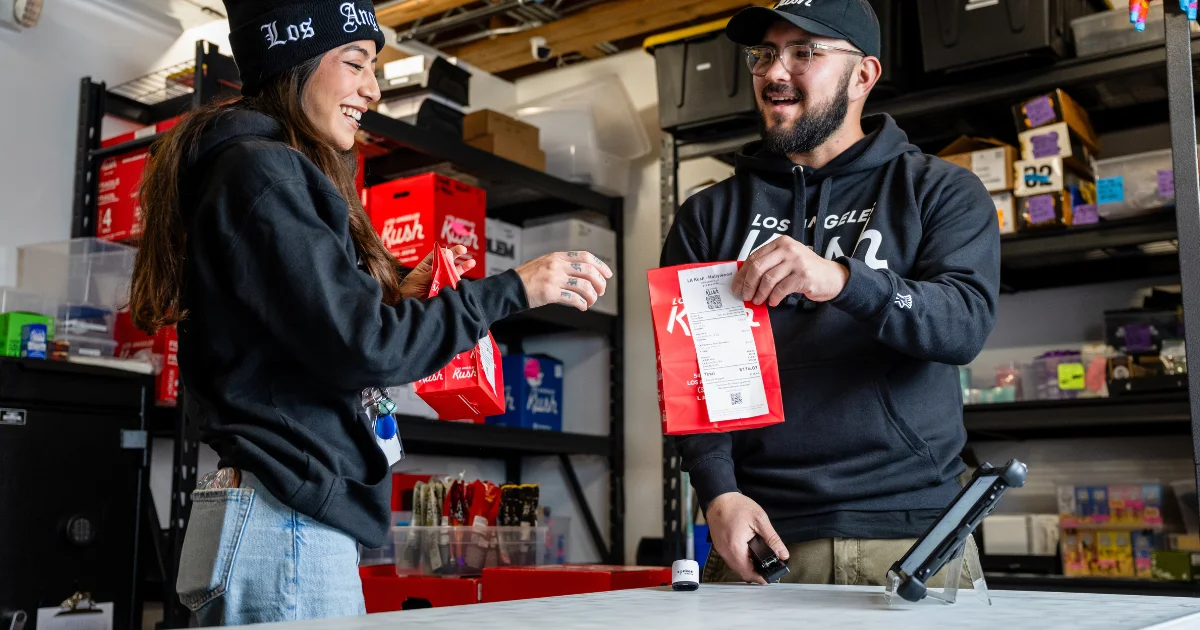
California allows dynamic delivery: drivers can leave the premises carrying unsold inventory and sell to orders that come in while they are on the road. The regulations that created the Metrc ledger requirement also removed the old rule requiring at least one received and processed order before a driver could leave. The ledger is what makes this model auditable.
Two related limits shape how you load a vehicle:
- The $10,000 cap. Under Section 15418(a), a delivery employee may not carry cannabis goods valued above $10,000 at any time, measured at current retail price. The earlier sublimit on unsold (un-ordered) goods was removed when the cap increased, so the $10,000 can be any mix of pre-sold and unsold inventory.
- End-of-trip returns. Any unsold goods remaining after a trip must be removed from that trip's ledger and returned to the retailer's inventory in CCTT.
Running unsold inventory well is its own discipline: stocking the right products in the trunk, zoning drivers intelligently, and keeping counts tight. For the full operational playbook, see our guide to launching Ice Cream Truck delivery and our walkthrough on starting a cannabis delivery service in California
Penalties for Missing or Inaccurate Ledgers
Failing to accurately enter delivery data into the track-and-trace system is a violation the DCC can fine per occurrence. Under the DCC Disciplinary Guidelines, failure to accurately enter data and information into the track-and-trace system (CCR Section 15047.2) is classified as a moderate violation carrying a fine of $501 to $1,000 per violation.
The per-violation structure is what makes this expensive. A delivery operation running dozens of trips a week that quietly fails to report ledgers is not risking one fine; it is stacking them.
How to Verify Your Ledgers Are Reaching Metrc
If your POS creates and reports delivery ledgers, do not assume the reporting is working. You can check directly in Metrc by navigating to this URL, replacing "C00-0000000-LIC" with your license number:
https://ca.metrc.com/industry/C00-0000000-LIC/retailer/deliveries/retailer
If you see ledgers being created in your POS but they are not showing up on this page, you are out of compliance. Make this check part of your regular compliance routine, alongside your Metrc reconciliation process.
💡 How Meadow handles this: With Meadow, drivers mark orders fulfilled as they deliver, and the ledger updates and reports to Metrc in the background. Delivery operators never log into Metrc to create ledgers or submit reports, and Meadow's support team answers in chat in minutes when questions come up. Learn how Metrc reporting works for dispensaries →
Common Questions
What is a cannabis delivery inventory ledger in California?
It is a Metrc record, required under CCR Section 15049.3, documenting every cannabis product in a delivery vehicle along with the driver and vehicle details. It must be created in the track-and-trace system before the driver leaves the licensed premises for each trip.
Do I need a full ledger if my driver only carries pre-sold orders?
No. Per DCC guidance, if the driver is delivering only sales already recorded in Metrc, the Sales Delivery Manifest (Sales Receipt) suffices as the ledger for those pre-sold items.
Does a driver need a new ledger to restock mid-shift?
No. A driver can return to the licensed premises for additional goods and continue the same trip under the existing ledger number, as long as the added items and new departure time are recorded.
What happens to unsold products at the end of a delivery trip?
They must be removed from that trip's delivery inventory ledger and returned to the retailer's inventory in CCTT. Verifying the physical count against the ledger at return is a DCC-suggested best practice.
How much cannabis can a California delivery vehicle carry?
Up to $10,000 in cannabis goods at any time, valued at current retail price, under CCR Section 15418(a).
What is the fine for failing to report a delivery ledger?
Failure to accurately enter data into the track-and-trace system is classified in the DCC Disciplinary Guidelines as a moderate violation with a fine of $501 to $1,000 per violation.
Stay Compliant Without the Manual Work
Delivery ledgers are one more report the state expects on every single trip. Meadow builds them into the workflow your team already runs: enter the driver and vehicle, fulfill orders on the road, and the reporting happens automatically. That is compliance from the team that has been building cannabis retail software since 2014.
